
This page has affiliate links: if you book through them, we may earn a commission at no extra cost to you. Affiliate disclosure
Plan a visit to Da Nang with ordinary precautions for belongings and transport, plus particular attention to traffic, sea conditions and weather warnings. When asking “is Da Nang safe?”, the useful answer is which decisions need care during your trip. A city-wide label cannot tell you whether a beach is open today, a driver matches your booking or a road is affected by flooding. This guide combines official Vietnam travel advice with Da Nang’s beach guidance, checked on 7 October 2026, and explains how to use those precautions on a first visit.
Contents (7)
Is Da Nang safe for tourists?
Approach Da Nang as a destination where practical preparation matters, rather than promise a risk-free visit. Keep valuables secure, make clear transport arrangements and check local conditions before a swim or an outdoor excursion.
Official Vietnam travel advice provides useful precautions, but it is country-wide guidance. It does not establish a Da Nang crime rate or show that one neighborhood is always safe. Be wary of comparisons claiming the city is the safest in Vietnam without a clear, current basis.
The decisions within your control are more useful. Save the hotel address, choose accommodation with a location that suits your evening plans and keep a way to contact the property. Make sure your travel insurance covers the activities you intend to do, and keep its assistance details available offline.
For a manageable first sightseeing day, the one-day Da Nang itinerary keeps the city route focused. Use a similar approach to reduce tired, last-minute decisions about long journeys.
Check warnings again when traveling. Ordinary precautions remain relevant throughout the stay, while weather, road access and beach conditions can change. A positive account from another visitor is useful context, but it is not evidence that the activity in front of you is appropriate today.
What precautions should you take at night or traveling alone?
For a night outing in Da Nang, you should choose a route with a clear return plan. Before leaving the hotel, save its address and decide whether the return will be a walk along a route you know or a booked vehicle. Keep enough phone battery to complete that plan.
For a walk, use streets with people and lighting, pay attention at road crossings and avoid following an unfamiliar shortcut simply because it looks shorter on a map. If the route becomes isolated or uncomfortable, use a reputable booked ride instead of pushing on to finish it.
Keep the phone and valuables secure, particularly near passing traffic. FCDO travel advice warns about bag snatching and protecting belongings. Stop somewhere out of the way when checking directions rather than walking with a phone extended toward the road.
For drinks, keep control of your glass and leave if the situation makes you uncomfortable. Arrange the journey back before drinking affects your decisions. Avoid taking a motorbike ride simply because it is the first vehicle offered outside a venue.
Travelling alone adds a reason to share the day’s broad plan with someone you trust. It does not mean you need to send every location continuously. A hotel contact, saved return address and an agreed way to check in can be enough to make a change of plan easier to manage.
Apply these precautions to solo women as well as other travelers, without promising that any area is always safe for a particular group. Choose the route and transport you are comfortable with, and ask the hotel for current local advice if you are unsure about a late return. You can change the evening plan without having to justify staying longer in a situation that feels wrong.
How should you handle traffic, taxis and motorbike decisions?
Give road crossings in Da Nang your full attention. Put the phone away, look for a marked or controlled crossing where available and check every lane before moving. A stopped vehicle in one lane does not prove another lane is clear. If the crossing feels difficult, find a better place or ask someone nearby for help.
For a taxi or app-booked car, verify the vehicle and driver before entering. Keep the entire app-booked journey inside the app so the booking and fare remain recorded. Decline a request to cancel the booking and continue privately if that removes the protections you expected.
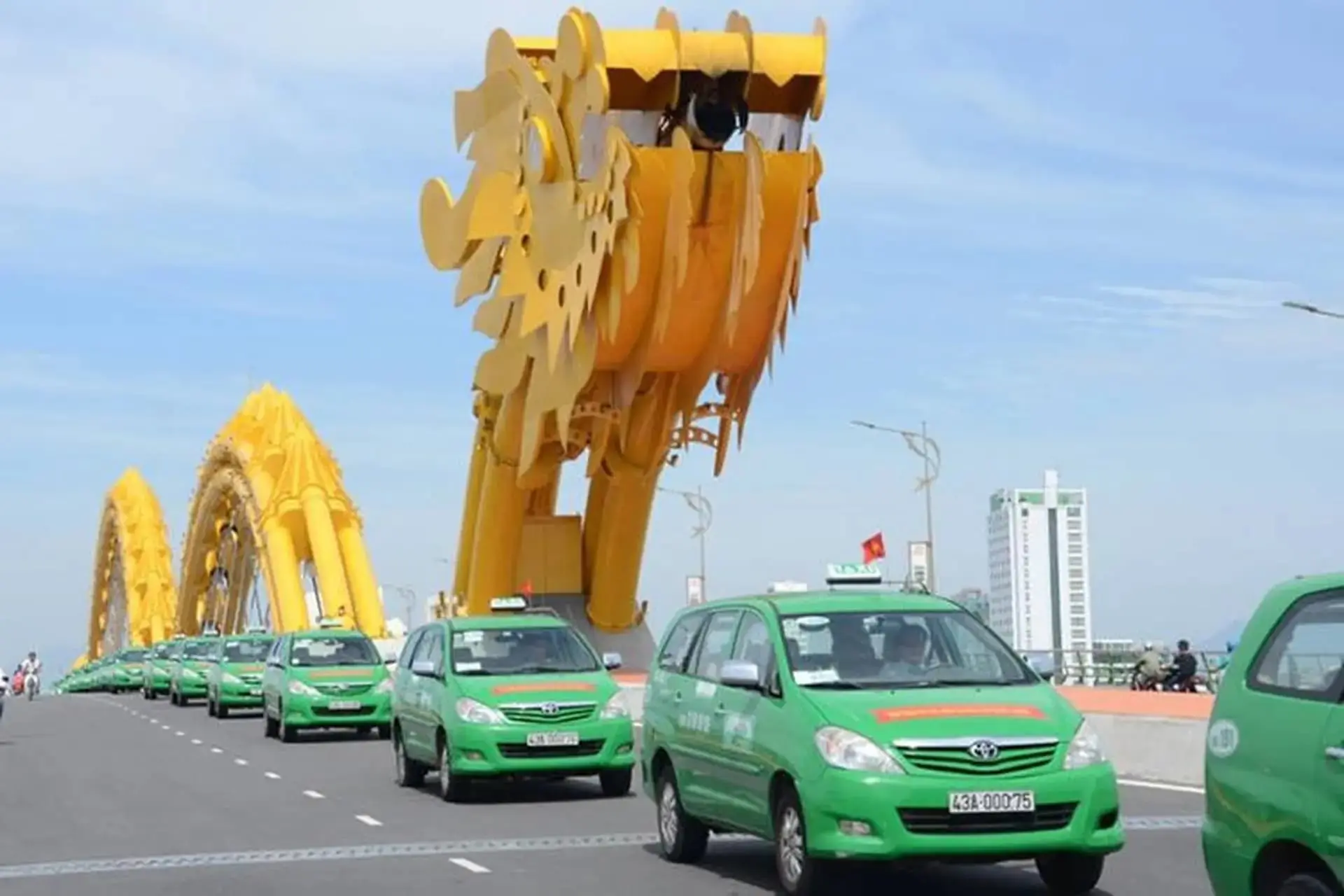
For a private driver, agree the pickup, destination, waiting arrangement and return price before starting. A sightseeing quote and a one-way transfer are different services. Save the confirmation and make sure the final destination is your actual hotel or airport. If you prefer to arrange the airport leg in advance, compare Da Nang airport transfer options and check pickup instructions, luggage and the booking terms. A prebooked ride still requires the vehicle and driver checks above.
Do not learn to ride a motorbike during this visit. FCDO advises inexperienced riders against hiring one. Confidence as a car driver does not supply motorcycle training or make unfamiliar traffic easier to manage.
If you are an experienced rider, check the licence requirements that apply to your nationality and vehicle, plus the insurance terms, before renting. Do not assume that every international driving permit is accepted or that a rental shop’s willingness to hand over a key proves you are properly covered. Use a suitable helmet and inspect the vehicle; if those checks are not possible, choose another form of transport.
For a short holiday, a car transfer can be the simpler decision. Compare its cost with the consequences of riding without the experience or cover the trip requires. The transport choice should support the outing, rather than turn it into the activity with the greatest uncertainty.
When should you avoid swimming or cancel an outdoor trip?
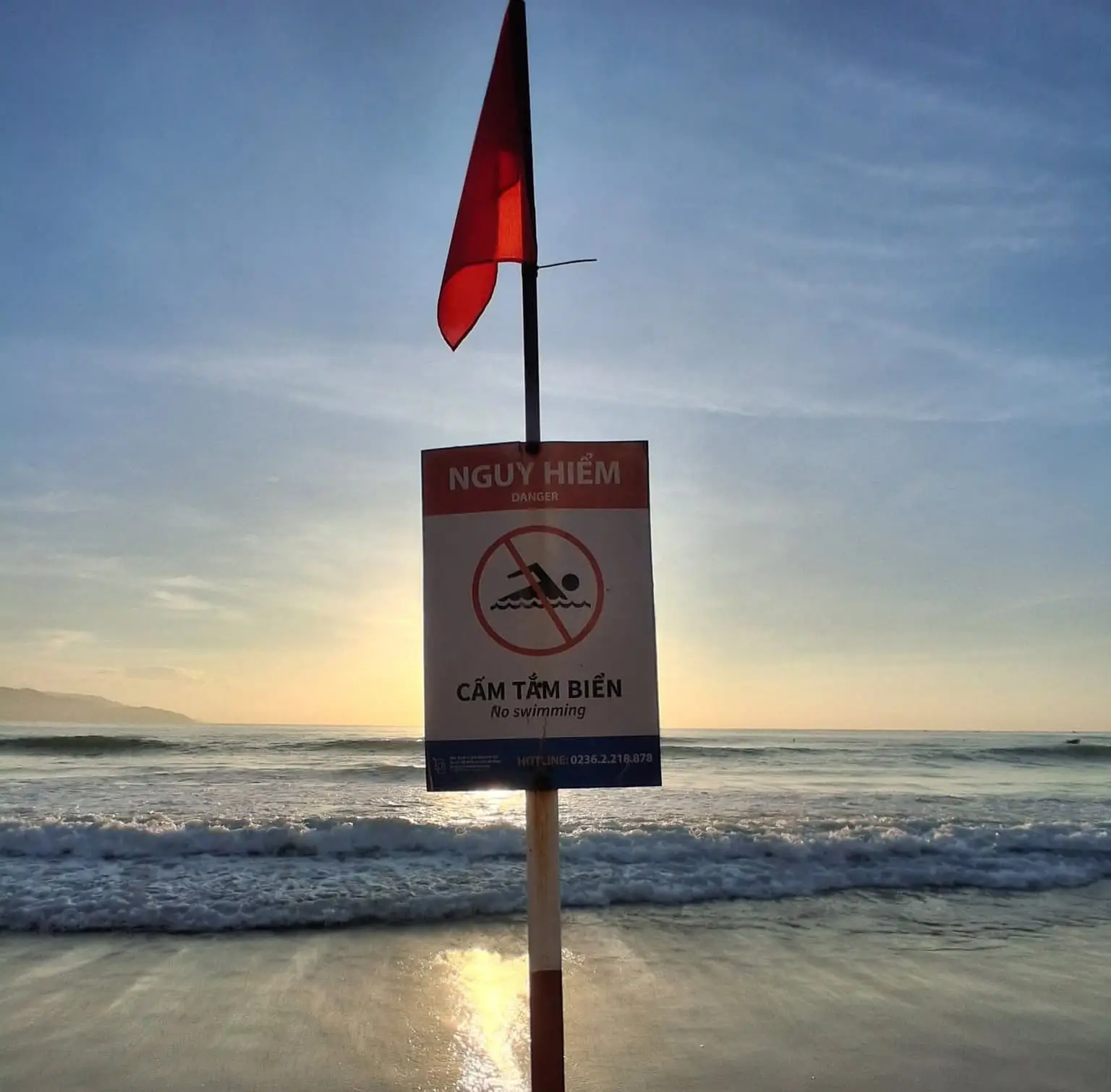
Decide about swimming from the current signs, beach staff and water conditions. Da Nang’s official beach guidance tells visitors to follow warnings, use designated areas and swim while rescue staff are on duty. Leave the water when directed and avoid entering a closed area.
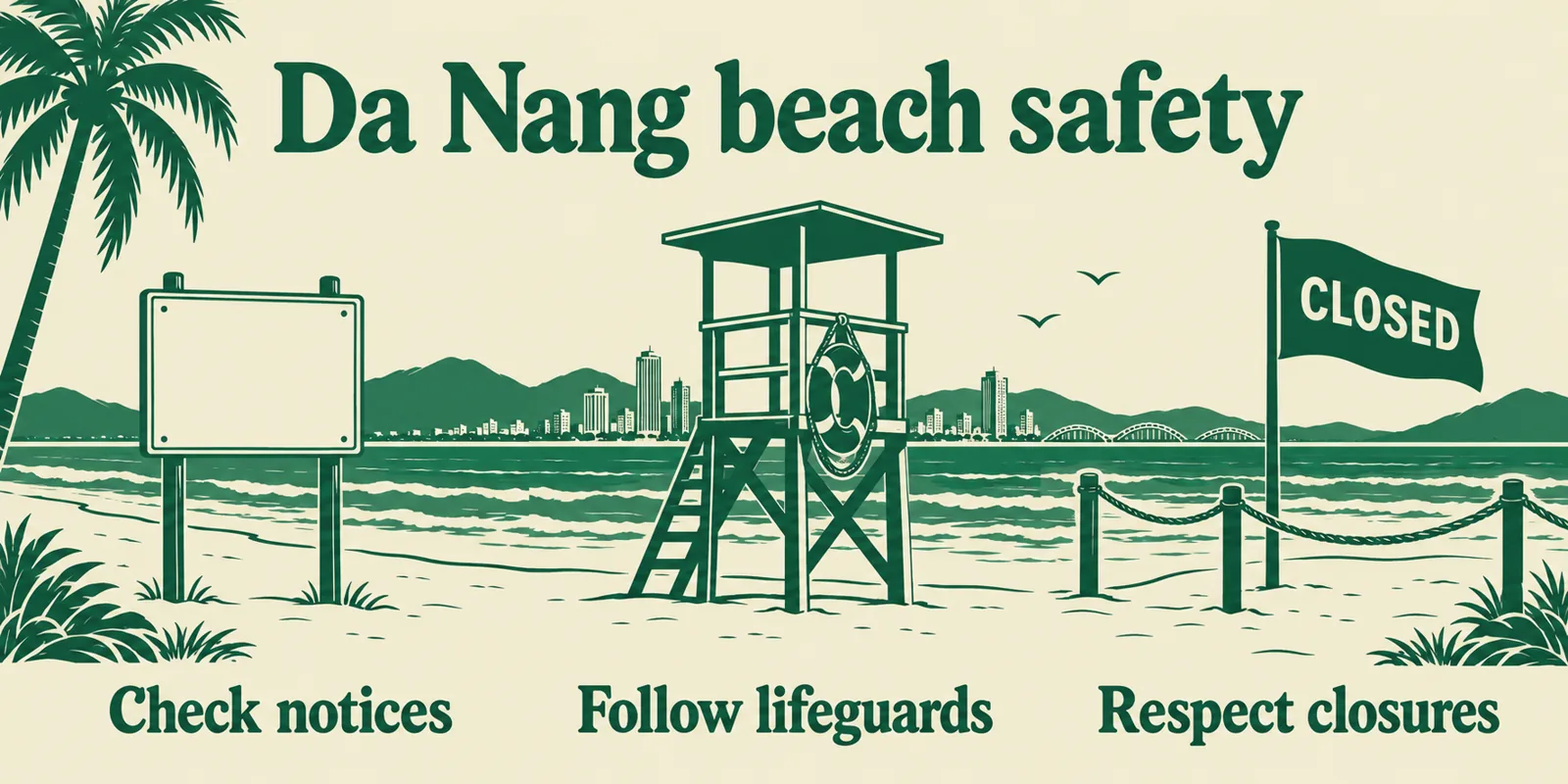
Do not use another person’s decision to swim as your safety check. Clear skies, a hotel view or a photograph from the previous day do not establish that the sea is suitable now. If the conditions are unclear, ask a lifeguard and choose a beach walk or another activity instead.
For a boat excursion, confirm current operations with the provider and check the safety briefing and life-jacket arrangements. Respect a cancellation rather than seek another operator willing to leave despite the same warning. Ask how a weather cancellation changes the booking before paying.
Storm warnings and flooding also affect inland trips. Follow local authorities and regional forecasts, stay out of flooded areas and check road or site closures before traveling. Do not drive through water to preserve a prepaid outing or approach a dangerous waterfront for photographs.
Ordinary rain can call for a shorter walk and a change in the sightseeing order. Severe conditions require a different response. Keep transport and accommodation flexible enough to postpone an outing when possible, and contact the provider early to understand your options.
For a longer visit, how many days to spend in Da Nang explains why spare time helps. Use that margin for weather changes, rather than book every hour and then feel compelled to go out when conditions worsen.
Which scams and health basics deserve attention?
To reduce the risk of price disputes or booking scams in Da Nang, you should agree the full price before accepting a service. For a driver, tour or paid activity, ask what is included and keep the written confirmation. A vague agreement makes a later dispute harder to resolve.
Check the amount before paying and count change without rushing. Keep receipts for larger purchases or bookings. If something differs from what was agreed, ask for an explanation calmly and use the booking platform or provider’s documented support process where available.
For accommodation or tours, book through an identifiable provider and verify the details in the confirmation. Avoid sending a further payment to an unexpected contact simply because they claim to represent the booking. Contact the provider through the channel you already used to confirm any change.
For everyday health preparation, carry drinking water and plan breaks when heat makes the outing uncomfortable. Smartraveller advises boiled or bottled water in Vietnam. Choose food carefully and treat water advice as a precaution, rather than a claim that every restaurant or neighborhood has the same conditions.
Keep your regular medicines and relevant prescription details accessible, following the entry rules that apply to them. Ask a qualified clinician about individual health needs before travel; a destination safety guide cannot choose vaccinations or treatment for you.
If you become unwell, reduce the itinerary and seek appropriate medical advice rather than trying to finish a prepaid day. Contact the insurer’s assistance service when needed. Also make sure someone traveling with you can find the policy and emergency contact details if you cannot make the call yourself.
What should you do if you need help?
Save the emergency numbers and the hotel’s contact details before arriving. According to FCDO guidance checked in October 2026, call 113 for police or 115 for an ambulance in Vietnam. It notes that emergency numbers operate in Vietnamese, so ask a hotel employee or another Vietnamese speaker to help communicate when possible. These contacts were checked on 7 October 2026.
In an urgent situation, give your location as clearly as you can. Use the street address, hotel name or a nearby identifiable landmark, and explain what assistance is needed. Ask someone nearby to stay and help with the call if communication is difficult.
For a medical problem, contact your insurer’s assistance service as soon as practical. It can advise on the arrangements covered by your policy. Keep the policy number, assistance telephone number and essential personal details available offline.
For lost documents or a theft, secure the remaining cards and belongings, contact the relevant card provider and ask for help with a police report if needed. Contact your own country’s embassy or consulate for document assistance. The appropriate contact depends on your nationality, not the nationality of the travel advice used here.
Before departure, save the Da Nang hotel address and emergency contacts somewhere you can open without an internet connection. Put the insurance assistance number beside them and share the return plan with someone you trust. On the day of a beach or boat outing, check the current local notices before leaving. If a warning changes the plan, contact the provider about moving or canceling the booking rather than trying to complete it regardless.
Frequently asked questions
Is swimming always safe at My Khe Beach?
No. Follow current notices and lifeguards, use designated swimming areas while rescue staff are on duty, and respect closures or instructions to leave the water.
What are the emergency numbers in Vietnam?
FCDO lists 113 for police and 115 for an ambulance. Its guidance notes that emergency numbers operate in Vietnamese; ask a Vietnamese speaker to help communicate when possible. Checked on 7 October 2026.
Da Nang at a glance
- Best time
- Mar to Aug (sunny, calm sea)
- How long
- 3-4 days
- Nearest airport
- Da Nang (DAD), 3 km to center
More Da Nang guides
- Da Nang golf courses: How to choose and book a round
- Da Nang night markets: Son Tra, B.Fair and food tips
- Da Nang surfing and water sports: How to choose
- Things to do in Da Nang on a rainy day: 10 indoor choices
- Da Nang with kids: Activities and family travel tips
- Gay things to do in Da Nang: Queer nightlife and tours